Starting a Micro Dairy for Profit: Your Comprehensive Guide to Success
Many of us grew up on a dairy farm. The 5 am and 5 pm milking rhythms marked our childhood.
As the conglomerate compnaies grew, the profits of the independent farmer shrank. Pushing many farms into beef cattle – or retirement.
High-quality dairy products such as milk, cheese, yogurt, and so on will never go out of demand. But how does a farmer eek out a living in the face of commercialization?
Micro dairy farming is its own sub-genre of dairy farming that has taken on a new level of popularity. It offers a unique opportunity for people to turn a profit selling products locally or directly to consumers. When starting a small dairy business, it’s important to know the ins and outs of the business, as well as what equipment to have.
Farms with as few as 15 head are turning out full-time incomes. Groups of farmers are banding together to build their own independent coops that bottle and sell milk to the local community.
The answers to a lot of your questions depend on what kind of products you want to produce and at what scale. We are able to help you learn the industry and get you up and running. If you need equipment and facilities, we are here to help.
For the moment, you need to start with
Choosing the Right Cows
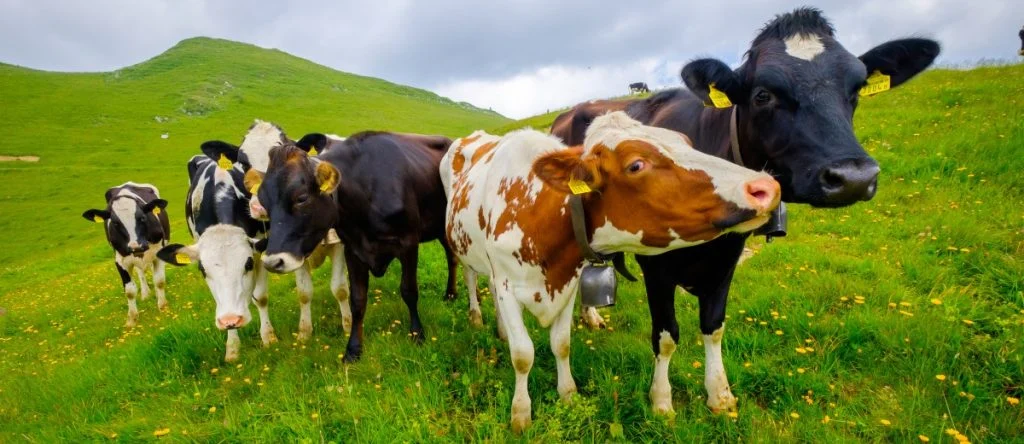
Different cows will give you different kinds of raw milk. Some cows won’t produce enough milk for a reasonable micro dairy business. You need to consider temperament, feed requirements, and quality. Milking cows such as Jerseys, Guernseys, and Holsteins yield high amounts of milk, and therefore give a lot for the space they take up. This lets micro dairies make the most of their little farms.
Here are some of the highest milk-producing cattle breeds:
- Holstein-Friesian: This breed is known for being a powerhouse. Daily production can average between 7.4-9 gallons of milk, and year and can often yield up to 2,640! Norwegian Reds and Kostromo also product milk along those lines.
- Brown Swiss: This comes in a close second, producing, on average, 2,377 gallons per year.
- Swedish Red: These cows typically produce around 2,113 gallons of milk per year.
- Jerseys: This is the cow that everyone wants to get, but it doesn’t yield as high gallons per year. It comes in at about 1,585 gallons.
Farmers should also consider the cost of purchasing and maintaining whatever dairy cows they choose. Feed and nutrients are a huge factor when it comes to maintaining a functioning business. The quality of a cow’s diet will impact their production and the quality of the milk, which means hay, grains, and pastures all have to be taken into account.
Setting Up the Farm
Setting up a micro dairy requires strict attention to detail. It requires a level of planning that you might not be prepared for yet. You’ll need a business model, product design, a milking system, and equipment to match.
Potential dairy farmers should consider not just what they need, but also what they already have. Your farm might have some of the setup already done. All you need is someone to help you take that next step.
The highest costs of starting up are usually the cows, proper fence setup, and getting your building remodeled. Your personal investment is going to require patience and devotion. Cows have to be milked daily. Everything has to be kept to a level of cleanliness that is food safe. It’s a lot of work, but many find it worth it.
Let’s cover some basics to get you started:
- You’ll need about 1- 2 acres of grazing pasture per cow, generally speaking. This does change somewhat, based on your climate and your land, but that’s a widely accepted rule of thumb.
- A minimal milking area requires a sloped, concrete floor, a secure way to restrain your cows, and proper waste management. Essentially, it has to be functional, clean, and sustainable.
- Mini milkers are where a lot of dairy farmers start. They can typically only handle one cow at a time, but they’re easy to use and to maintain. Once you have that automation in place, you can move on to your other, more time-consuming tasks, such as filling bottles, and get them automated, as well.
- You must implement some kind of milk straining system. This will keep your milk free of impurities and debris. It can be something as simple as a funnel strainer over the jar, or something as complex as an assembly.
- Pasteurization is important for enhancing the shelf life of your milk. Some small dairy farmers feel overwhelmed by adding this process in, but they don’t have to. Even with small systems, you can achieve precise temperature control to make cheese, yogurt, and other milk products that taste amazing.
- Something often overlooked until it becomes a problem is fridge space. You need to have consistent storage space at 46 degrees or lower to keep your milk safe. Many dairy farms are turning away from refrigerators and towards cooling vats to maximize space.
Producing Dairy Products
When it comes down to it, selling milk is the entry-level game. It’s the springboard that allows you to move on to bigger, greener pastures (literally). Once you know how to handle milk, it’s time to take on other products so that you can really make a name for yourself in the local dairy market.
Micro dairy farms can produce any kind of dairy product they can dream up: cheese, butter, yogurt, ice cream, and more. In order to make a profit, you need to know what will sell in your area so that you can create lines of products that will appeal to your market.
Perhaps the most important things you have to deliver on are safety and quality. Strict quality control measures (including regular milk testing and sanitation protocols) must be enforced. Not only will that protect you and your consumers, but it will also improve the quality of your products, making them more valuable to your buyers.
Marketing and Sales
Marketing is another important step toward success in this branch of agriculture. Marketing is how you get the word out. It’s what connects your dreams to reality by providing the funds you need to keep going.
There are many ways to market, including building a brand and/or simply being personal. Many micro dairies sell only direct, and their only marketing strategy is word of mouth. This works for community-based businesses that can sell based on relationships.
It’s also feasible to work with a distributor if you’re hoping to expand your reach. This might be a good option for those dairies that want to sell milk with as little hassle as possible. No matter what, you need to have a plan. Building a loyal customer base is essential for long-term success. It will come if you provide products that are safe, delicious, and consistent.
One thing you cannot miss is social media. In today’s world, success is hardly ever achieved without being on social media, interacting with customers, and creating content. It doesn’t have to be extravagant. Something as simple as introducing your herd to your audience, one cow at a time can do incredible things for your business.
Usually, it’s best to post once a week minimally, and, if possible, add other strategies such as running ads and buying likes. You might not have thought of this aspect of social media, but it is so important that you build an email list that you can market to. Attend craft shows and farmers’ markets. Be present in the community, become relevant, and you will see a shift.
Processing and Packaging
Building a micro dairy is more involved than just putting up a barn and purchasing livestock, as you well know by now. After you determine what products you’re going to lead with, you need to figure out what kind of packaging best suits your needs. It might be glass bottles, plastic containers, or paper cartons. Consider the environmental impact, including energy consumption and waste reduction.
What are your packaging goals? What are you willing to devote to the management of waste? How will all of this affect your profit margin?
Implementing a thorough quality control system will not only save you trouble and money in the long run, but it will also result in higher-quality products that make your customers happy and keep them coming back.
For brands that sell locally, glass jars are a popular, environmentally conscious choice.
Brands that hope to sell to a wider audience, might struggle with the logistics of gettings jars returned and may need a more disposable packaging source.
Achieving Success With Your Micro Dairy Business
The best advice we’ve ever heard about setting up a dairy farm is that the processing facility is just where it starts. You can have all the animals, great ideas, and a bacteria-free environment, but if you’re not a people person, this might not be the gig for you. Having patience and some people skills will get you a long way.
Combine your commitment to quality and safety with the right cattle and a love for connecting with your community to create the magic potion of owning a micro dairy.
Achieving success can be a hard road. It requires a lot of tedious planning, hard work, and patience, but it can be done. Stay up to date with industry trends and practices, including food-safe and efficient equipment. Seek out a network of support – peers and mentors – that can show you how they have already found success or why their processes didn’t work.
Owning a micro dairy, even for profit, is an act of love. Clean products and a clean attitude will help you go far in this world of quality milk production.
Comprehensive micro dairy equipment solutions for every stage of production.
Microdairy Success Stories
Elizabeth Wisor is a seventh-generation dairy farmer who grew up on Knob Farm in Grampian, Pennsylvania. After her dad got hurt, things on the farm had to change. They heard about the micro dairy trend and looked at their options. They went from 75 cows and 300 acres to small, sustainable equipment and a few cows. Elizabeth will tell you that it’s exactly what they needed and what they were hoping for. In fact, for them, it isn’t just a trend. They’re not looking to expand any time soon.
Amelia of JW Farm used her micro dairy to embark on a journey of health, passion, and profit. She is living proof that the micro dairy option is a viable option for maximizing your ROI while still having a farm that’s manageable and available locally.
“We went from struggling to sell, maybe five gallons a week to… now I keep adding cows because I don’t know if we can meet demand.”